Content marketing
Content
Innovation and Trends

Econsultancy’s social trend round-up curates the latest trends, developments and case studies from across different platforms to act as a guide to what’s happening now in the world of social, and what brands should do about it.
World Cup 2026 content is taking over feeds. With this year’s competition feeling like the first short-form video competition.
The World Cup is always big business for brands, but it can be a difficult line to walk – between being an authentic part of the buzz, or interrupting it. Case in point: the controversial hydration breaks which have been accused of being more about ad slots than electrolytes. This is perhaps why Unilever is betting big on creators to support cut-through around the cup.
During the competition Unilever will host a 24/7 content hub called The Locker Room hosting content creators and football experts, creating an always-on content feed designed to make their personal care brands a part of the conversation.
“This activation reflects how we’re engaging with sport not just as sponsorship, but as a platform to build brand desire and cultural relevance to drive superior growth” explains Afke van de Klashorst, Unilever Personal Care’s Vice President of Integrated Brand Experience
This is the first big test of Unilever’s social-first pivot from September last year. By going social- and creator-first Unilever will be hoping to tap into fan culture and conversations online.
Klashorst adds “Our ambition is for our brands to show up in spaces where fandom lives and in ways that are authentic, native to social, and meaningful by bringing freshness and confidence to match-day moments that matter most for fans, players and spectators.”
Arguably however, the brand to have the standout organic reach moment of the competition so far is Sam Adams beer which enjoyed a viral moment in the sun and across mainstream media after Scotland fans reportedly drank the city of Boston dry.
As they say, no Scotland no party… or at least no lager.
For brands, it is important to remember that the most successful activations around global events, be they sporting or otherwise, create value for the audience.
Working with creators, and giving them the creative freedom to tell your story in their own way that resonates with their audience, can move a brand from an unwelcome guest on a consumer’s scroll or watch, to instead being a part of the shared experience.
From one of the greatest human spectacles to something decidedly more artificial. An investigation by the Guardian has found that AI-generated influencers are being used to promote products on social media.
Virtual influencers are not a new phenomena. Marketers will be familiar with names like Lil’Miquela – a project of musician and producer Trevor McFedries and Sara DeCou, who has been around since 2016.
What is different about this new generation of virtual influencers though is just how obvious the virtual part of their identity is, with these synthetic characters now more than able to pass the scroll test.
Also, unlike predecessors like Lil’Miquela and Lu do Magalu, that were often the artistic enterprise of an outside individual or agency, GenAI image and video capabilities have democratised these capabilities to the point that it is now possible for brands to create and manage their own stable of artificial influencers.
The appeal to brands is clear. A set of fully brand-safe influencers, entirely under their control with no risk of anyone scrolling back on their X feed and finding something offensive from their college days.
However, it remains to be seen what consumers’ appetite for this type of content is and whether they will reject it – and what that does to brand reputation.
UK lifestyle and fashion magazine Sheerluxe has recently come under fire after introducing an AI ‘editor’ character named Reem on Instagram.
Following the backlash the brand had to release a statement clarifying “She is an AI-generated image only, and is not able to create content or articles. No jobs were compromised in any way as a result of her creation and we would never publish any content that hasn’t had human involvement.”
In all likelihood, how audiences react to synthetic influencer content will likely vary widely by brand, consumer type and where and when the content reaches them. AI influencers may prove most useful for the more mercantile elements of the social media mix for instance manning a live shopping stream or promoting a brand’s TikTok shop.
Given the potential for brand damage should consumers feel tricked, brands looking to experiment with synthetic influencers should be transparent about the artificial nature of the content and character.
Brands should also ensure there is robust measurement set up covering both the effectiveness of this content versus the human alternative, and social listening to understand customer sentiment.
Should AI influencers become more widely adopted this will likely be in addition to, rather than replacing their human counterparts. Human creators’ ability to nurture a community and tell stories in new and innovative ways ensures their ongoing importance in a brand’s marketing mix.
Social commerce has always been about shortening the journey from inspiration to conversion.
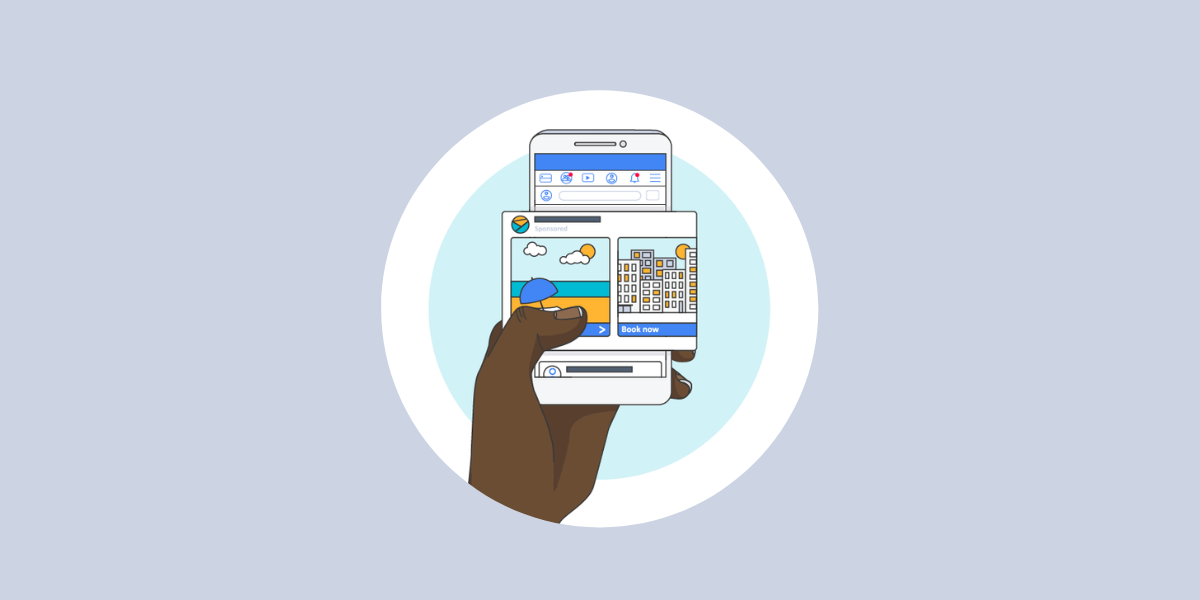
In May, TikTok took that one step further with the launch of TikTok GO. GO allows people in the US to discover and book hotels, attractions and tours all within the app.
@tiktokgo_us What does your audience see after they click your travel video? 👀 #tiktokgo #traveltiktok #traveltok #travel #tiktokcampaign
Previous models of the customer journey from social inspiration to purchase would have looked something like: user sees something inspiring, they leave the app, search for the product, gather more information, compare before then converting. This journey has lots of opportunities to lose people along the way.
TikTok GO compresses that journey into a few taps, reducing frictions and making it more likely the consumer will convert in the moment. TikTok frame this expansion as doing for experiences what Shop has done for products.
“Every day on TikTok, millions of people discover where to eat, where to stay, and what to do next. TikTok GO connects that moment of inspiration directly to the businesses behind it, and that’s good for creators, good for local businesses, and good for communities.” explains Adam Presser, CEO of TikTok USDS Joint Venture
As Johannes Reck, Co-Founder & CEO, Get Your Guide describes “Whether it’s visiting the Vatican or checking out a cooking class in Tokyo, we’re collapsing the time between inspiration and action…. With TikTok GO, we’re at the center of that transformation, right at the moment of inspiration.”
Now available to US consumers, GO launched with partnerships including Booking.com, Expedia, Viator, GetYourGuide, Tiqets, and Trip.com. The trade-off for brands is the potential loss of a direct relationship with the consumer. With more of the journey happening on a third party platform that means less customer data for the brands themselves.
The social media landscape is constantly evolving. To continue to connect and build community requires brands to stay up to date with what is shifting across platforms, audiences and technology.
The social media landscape is constantly evolving. To continue to connect and build community requires brands to stay up to date with what is shifting across platforms, audiences and technology.
Join Econsultancy’s on 30th June, 1pm BST for our webinar ‘Social media beyond the ‘like” with Specsavers Head of Brand Communications Lisa Hale.