
Content marketing
Content
Innovation and Trends
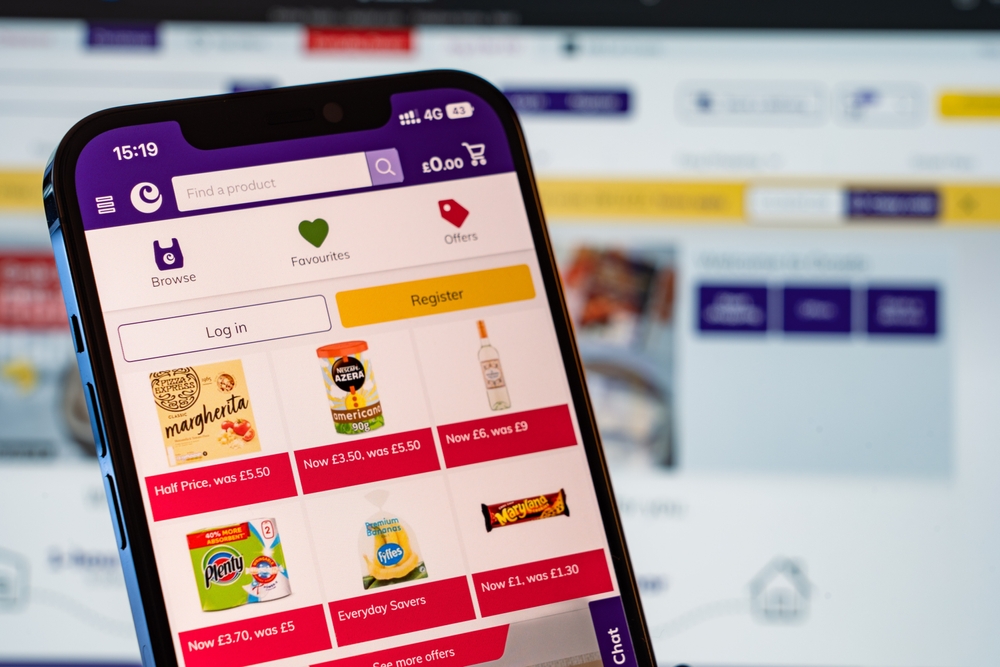

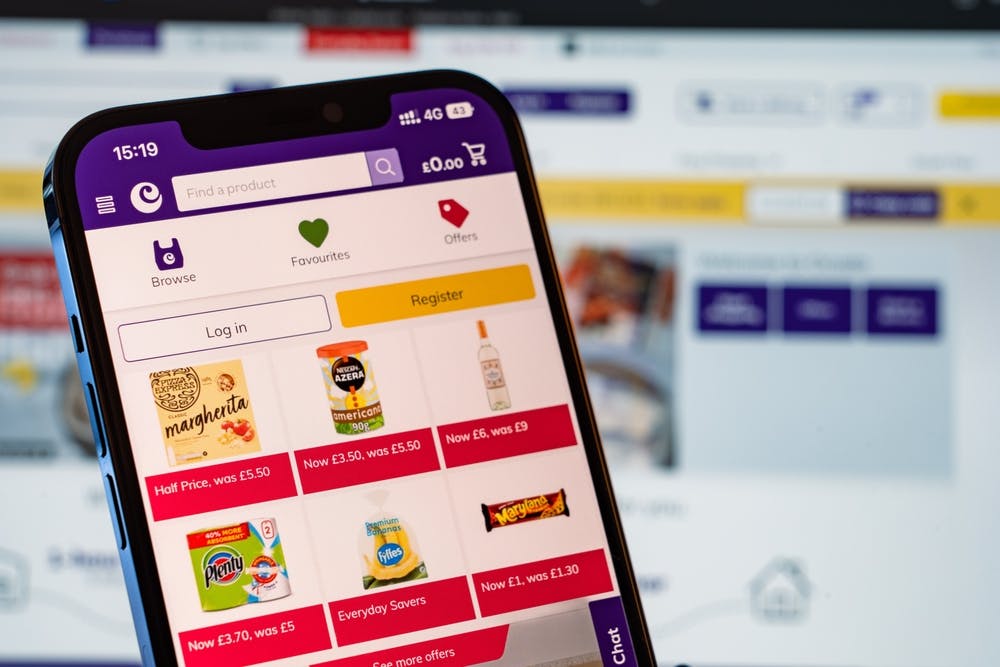
“If you are the sales head of a large CPG, online is something like 10% of your portfolio,” reflected Amit Chitnis, Chief Commercial Officer at Ocado, during a fireside chat this week. When FMCG marketers are thinking about range, trade plans and pricing, Chitnis said, they “would be forgiven for… visualising a store”.
The challenge then for Ocado – which was crowned the UK’s fastest-growing supermarket in March 2024 and has maintained the title over the months since – is therefore to encourage brands to “think online-first”.
Chitnis explained at Retail Week x The Grocer Live 2025 this week how Ocado uses its strengths as an online pureplayer, such as insights into search and order data, to convince brands of the merits of “online-first” – and ensure consumers can buy everything they’re looking for.
“I speak often about how working with Ocado is like being able to see the future,” Chitnis joked. Because online ordering allows shoppers to plan ahead, and many take advantage of this – particularly around peak shopping periods like Christmas – Ocado can benefit from insights into this data as much as months in advance.
“Our Christmas slots get released in September… By the first week of October, 80% of our Christmas slots are sold,” he said. “We know which customers are having what in their basket: How many are going to have a turkey centrepiece, how many are switching to beef, and how many are going to have a vegan centrepiece.
“So, if you’re a CPG brand that sells cranberry sauce and stuffing, you’ve got an insight with us that’s unparalleled.
“You can then extend that further and say, actually, if you want to launch an NPD [new product development] – unlike others, we wouldn’t come to you and say, ‘Give us your shiniest NPD, give it to us first, give it only to us’. We come to our supplier partners, the big CPGs, and say, ‘We will work with you to fine-tune your NPD…’”
Chitnis gave the example of a salad topper that Heinz launched on Ocado using its NPD Lab, a programme that helps CPGs to iterate quickly on newly-developed products (part of Ocado’s recently-launched Ocado Ads offering). “We got customer reviews, and they said, ‘We overall like it, but [it’s] a tad too salty.
“They went back and reformulated that… the reviews improved, the sales improved, [and] it sells more widely on Ocado, now.”
For both challenger brands and major CPGs, Chitnis said that he wants Ocado to be “where you work with us and get your product right”.
“It goes back to this idea that we see our role as market-makers of online – and that’s not restricted to the small brands.”
With an online store, Ocado’s stock isn’t constrained by physical space – but Chitnis stressed that a high SKU count doesn’t automatically equal “genuine choice”.
“The fact that we’ve got 50,000 [SKUs] doesn’t give us license to say we’ve got choice – how good are those 50,000 is what the key is.”
Chitnis said that Ocado listens actively to “where we disappoint our customers” – in other words, where customers are searching for a product or brand and not finding what they’re looking for.
“We’ve got something called ‘zero-converting searches’. …When you go onto Ocado and you put in the search bar something that you’re looking for – if we don’t happen to have it … We log every one of those.
“Somebody in the team then looks at it and says, each week, ‘What are our largest zero-converting searches?’ That then becomes a deliverable for the development buyer to go and source.
“I wouldn’t say we’re perfect, but we do a lot of things that allow us to be in the forefront,” Chitnis said.
As well as new product development, these trends can lead to tie-ups with other retailers such as Ocado’s latest ‘shop in shop’ partnership with Holland & Barrett, launched in January.
“I believe [that] none of us … have a monopoly on great ideas,” said Chitnis. “And therefore, we will willingly and enthusiastically partner – whether it’s brands, or retailers in this case, who are complimentary and where we can see a way for us to benefit from working with each other.”
Chitnis recounted that searches for vitamins, minerals and supplements have been “massively spiking”, which led Ocado to look at making a stronger play in the health and wellness space. However, he acknowledged that, “Sometimes the customer just won’t come to us to look for something.”
Thanks to the tie-up with Holland & Barrett and the brand’s reputation for health and wellness, customers have become more likely to visit Ocado to search for supplements that in some cases, were already sold in its store, but customers hadn’t expected to find them there.
Stocking products is only one half of the equation when it comes to ensuring customers can find everything they need; the other half is surfacing them.
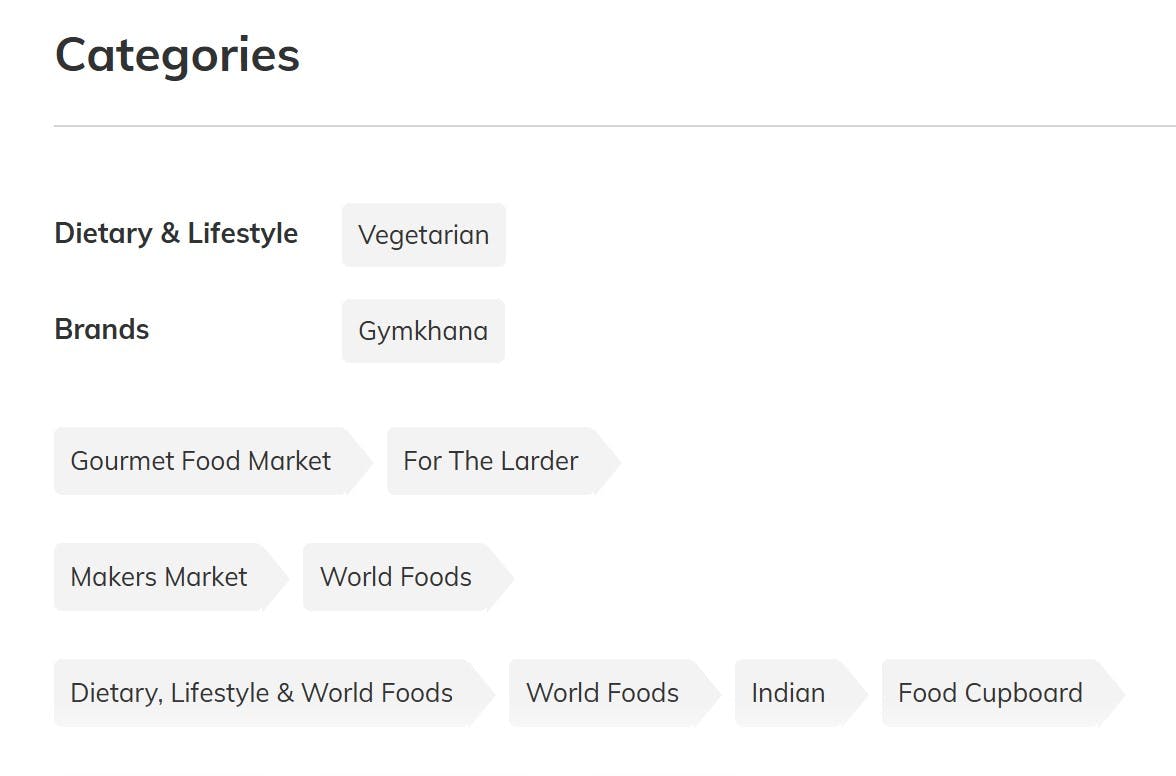
Ocado is again able to lean into its online pureplay nature here, as Chitnis explained that not being constrained by physical space means Ocado can stock products in multiple “digital aisles” (categories).
Chitnis gave the example of Gymkhana cooking sauces – “They’re in the Makers’ Market, they’re in the Foodie aisle, they’re in the Indian Cuisine aisle and they’re in the Food Cupboard. We can comfortably do this because the website allows us to be laid out the way a customer shops, the way a customer thinks – not the way a customer moves.”
Ocado can also recommend products based on a customer’s shopping history, Favourites, and some partnerships with suppliers – but Chitnis has a bigger vision regarding Ocado’s role in personalising the shopper experience.
“When we think about innovation for the future … We want to evolve from being great shopkeepers to being a really friendly virtual housekeeper.
“That means rather than shopping for products you should be able to shop for recipes – which we already have – and then we have enough to know what’s in your fridge, what’s left over from your last order, what sort of dietary restrictions people in the family might have; and then using that as a virtual assistant to personalise for you.
“That’s the direction we’re heading in, and that’s something we have in the pipeline already.”